November 18, 2026
The kitchen is no longer just a place for cooking; it's a hub of household activity. Today's kitchens are about blending functionality with personal style, making them inviting spaces for gathering and entertaining. In this article, we delve into the latest kitchen trends that are redefining these culinary spaces. With insights from top kitchen remodelers, we explore what's in vogue in kitchens today. From sustainable designs to technological innovations, discover how kitchens evolve to meet modern standards.
Open-Concept Designs
Seamless Kitchen-Living Room Integration
Open-concept kitchen designs are all the rage, reflecting the desire for more seamless and inclusive home environments. By removing walls, the kitchen becomes part of the living space, facilitating better interaction with family and guests. This integration is popular for creating bright, airy homes where the kitchen melds effortlessly with living and dining areas. Kitchen remodelers emphasize the importance of coherent design elements, such as matching flooring and color schemes, to visually connect these areas. According to the NKBA's 2026 Kitchen Trends Report, 75% of kitchens today are expanding into previously defined rooms, enhancing the desire for open environments.
Advantages of Open Floor Plans
The open floor plan offers a myriad of benefits beyond a more spacious look. Families find it easier to stay connected during meal preparations while keeping an eye on activities in the living room. The removal of barriers improves traffic flow throughout the home, which is particularly advantageous during gatherings and events. This design also maximizes natural light, lending an inviting warmth to the collective space. Open designs have the added benefit of boosting home value, praised by buyers for their contemporary and adaptable feel.
Challenges and Solutions in Open Designs
Despite their popularity, open-concept designs are not without challenges. The absence of walls can reduce storage options, demanding clever solutions like islands with built-in storage and suspended shelving. Noise travel can also be a concern, requiring strategic use of soft furnishings and acoustic panels to manage sound levels. Privacy can be minimized in such open configurations, prompting the use of movable partitions or bookcase dividers. Additionally, boundary definitions using area rugs or varied ceiling treatments help create distinct zones. Designers continue to innovate, developing solutions like smart zoning and concealed cabinetry to address these open-plan dilemmas.
Budget Considerations for Open Concepts
Transitioning to an open-concept kitchen requires careful financial planning. The removal of load-bearing walls can increase costs significantly due to necessary structural supports and potential rewiring. However, savvy kitchen remodelers can find budget-friendly paths, such as maintaining some existing structural elements or repurposing kitchen components. Evaluating material choices for flooring and countertops with cost-efficiency in mind can also keep expenses in check. Open designs often make use of multipurpose furniture, augmenting functionality without excessive spending. Homeowners should prioritize features based on how they'll most enjoy their kitchen space, balancing aesthetic desires with budget limits.
Sustainable and Eco-Friendly Materials
Popular Sustainable Cabinet Finishes
As consumers become more eco-conscious, sustainable cabinet finishes have become a hallmark of modern kitchens. Bamboo and reclaimed wood are sought after for their aesthetics and environmental benefits. These materials not only reduce deforestation impact but also enhance the tactile warmth of the kitchen. Non-toxic finish coatings like natural oils and water-based varnishes replace chemical-laden options, promoting healthier indoor air quality. Kitchen remodelers see these choices not as trends but as essential pivots towards sustainable living practices.
Eco-Friendly Countertop Options
Countertops are critical in kitchen design, and eco-friendly options abound, offering both style and sustainability. Recycled glass, for instance, creates stunning mosaics, lending vibrant color to surfaces while supporting recycling initiatives. Composite countertops made from sustainable resins and renewable fibers are another popular choice, mimicking the look of more traditional materials. Natural stone remains an option, though sourced with an eye towards ethical quarrying practices and longevity. As material technology advances, new options like porcelain and sintered stone emerge, reducing reliance on resource-heavy materials. Eco-friendly countertops underscore the kitchen's role in broader environmental stewardship.
Renewable Flooring Materials
Flooring choices contribute significantly to the kitchen's sustainability profile, with renewable options gaining momentum. Cork and bamboo lead the way, both boasting rapid renewability and minimal ecological footprints. These materials offer durability, aesthetic versatility, and comfort underfoot, appealing to diverse design tastes. Engineered wood flooring, sourced from responsibly managed forests, combines classic beauty with sustainability. In kitchens, where spills are frequent, these renewable floors are protected with non-toxic sealants, balancing resilience with eco-responsibility. As kitchen remodelers innovate, the integration of green materials provides homeowners with conscientious and stylish flooring choices.
Reduced Carbon Footprint in Kitchen Remodels
Reducing the carbon footprint of kitchen remodels starts with material selection and extends to the remodeling process itself. Preferring locally sourced materials not only supports local industries but also minimizes emissions associated with transportation. The NKBA report highlights that many kitchens expand by absorbing space from seldom-used areas, minimizing additional construction and associated carbon footprints. Upgrade strategies emphasizing energy-efficient appliances further diminish overall household consumption. This dedication to reducing impact aligns with increased consumer preferences for spaces that respect the environment.
Color Trends and Palettes
Dominant Color Schemes
The color schemes defining kitchens are diverse, yet all aim to radiate comfort and elegance. Soft, earthy tones are popular, connecting interior spaces with nature to promote tranquility and warmth. Contrasting this are jewel tones, which impart rich depth and drama to cabinetry and walls. These saturated colors often feature as accents, providing a bold counterpoint to more neutral palettes.
Role of Neutral Colors in Modern Kitchens
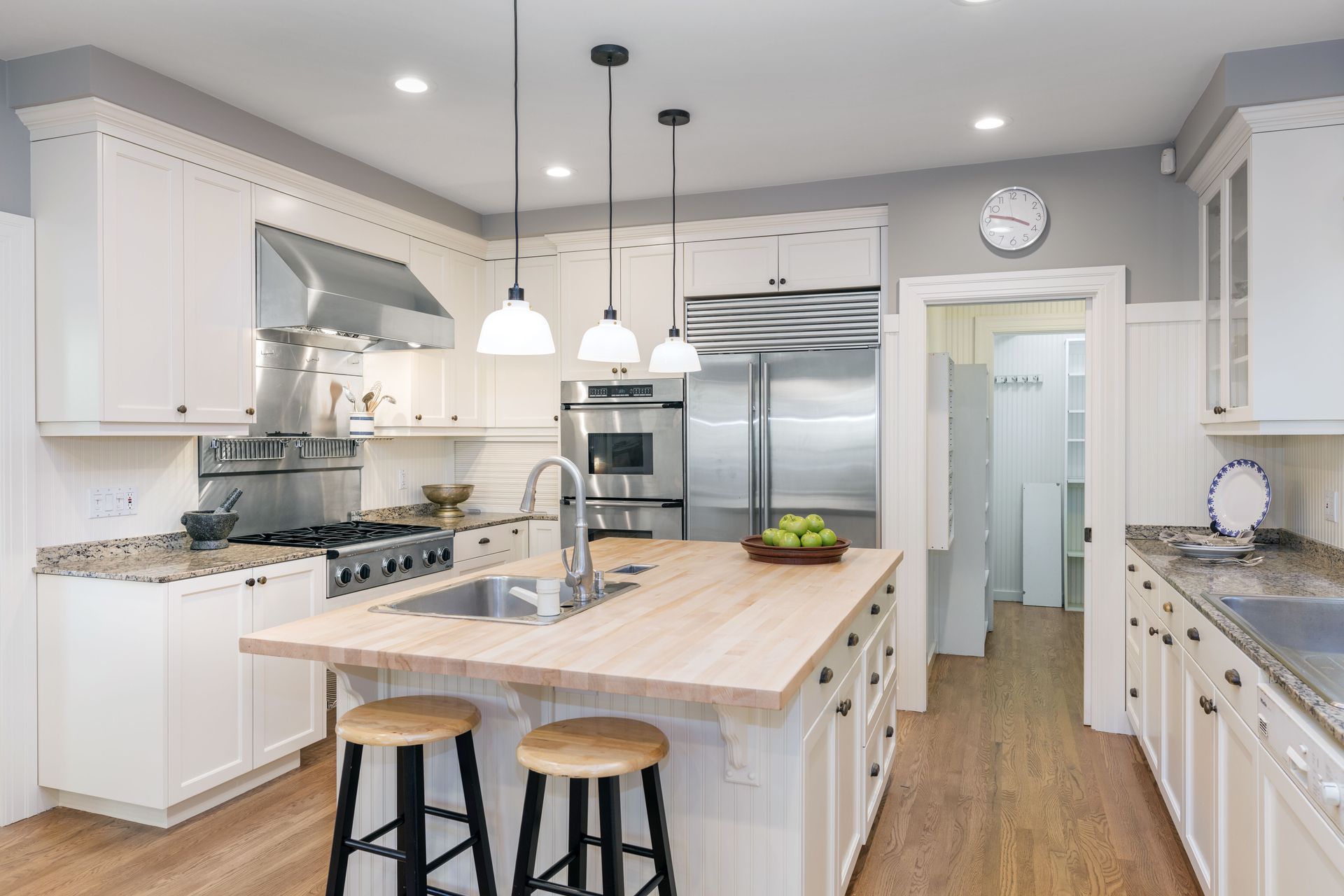
Neutral colors continue to dominate modern kitchen spaces, prized for their adaptability and timelessness. White, grey, and beige form the cornerstone of these palettes, providing a neutral canvas on which homeowners build their stylistic visions. Neutral tones are augmented with textures, such as matte finishes and natural fibers, to introduce interest without overwhelming simplicity. Their subtlety allows for easy integration with varied accent colors and diverse material selections. As a sophisticated backdrop, neutrals let dynamic spaces evolve with changing design preferences.
Bold Accents and Their Impact
Using bold color accents can dramatically influence a kitchen's look, injecting vitality and personality into the space. Brightly hued islands or backsplashes offer focal points that captivate and break monotony in monochrome schemes. The strategic use of bold colors among more subdued tones creates dynamic visual interest that maintains a harmonious balance. In remodels, daring color choices reflect not only creativity but a confident embrace of personal style. Done thoughtfully, bold accents redefine spaces, elevating them from conventional to truly memorable.
Colors to Influence Mood
Color psychology plays a pivotal role in shaping the ambiance of kitchen environments, influencing both mood and perception. Soft blues and greens are calming, creating a serene environment conducive to relaxation and family gatherings. Warm tones like yellows and reds, traditionally associated with appetite stimulation, energize and enliven cooking spaces. Meanwhile, cool, stark colors lend a modern, clean edge, evoking sophistication and high-end appeal. By understanding the impact of color, homeowners can curate spaces that not only look appealing but also feel personally fulfilling.
Today's kitchen trends seamlessly blend open-concept living, sustainable materials, and expressive color palettes to create spaces that are both functional and deeply personal. Whether you are maximizing natural light or selecting eco-friendly finishes, partnering with experienced kitchen remodelers ensures your renovation balances modern aesthetics, environmental responsibility, and lasting household value. Call Gabor Design Build today.